

Mortgage Note Due Diligence
Mortgage Note Due Diligence Before You Commit Capital
Buying a mortgage note means buying the lien position, the documents behind it and the problems attached to the collateral.
Scalance handles the title, lien, assignment and public-record diligence behind performing and non-performing note investments, so your team can identify issues before they become part of the asset you own.
- All 50 States
- 99%+ Accuracy
- 2M+ Orders Delivered
- 24/5 Support
- Multi-Stage QC
- SOC 2 Ready
- ALTA Best Practices
- Segregation of Duties
The Seller's Tape Is Not the Public Record
A note tape shows what the seller reports. It does not establish lien position, assignment history, collateral completeness, or other recorded interests that may affect the asset.
That is where note diligence matters. Finding issues before purchase gives investment teams more options—whether to adjust pricing, address the issue, or walk away.
Scalance performs the research behind that decision. Your investment team decides what to buy, what to reprice, and what to leave behind.

Performing and Non-Performing Note Due Diligence

Performing notes
For performing notes, the first question is whether the documents, public record and loan data tell the same story.
- Lien position verification
- Chain of title and assignment verification
- Note endorsement and allonge review
- Original-document and custody-status verification

Non-performing notes
Non-performing notes require a different level of scrutiny because the value of the asset can depend on what happens next. A title defect, lien-position issue, missing assignment or enforcement limitation can materially change the path from acquisition to resolution.
- Tape scrubs
- Statute-of-limitations exposure checks
- Foreclosure-status research
- Judgment and lien sweeps
Know Where Your Lien Actually Sits
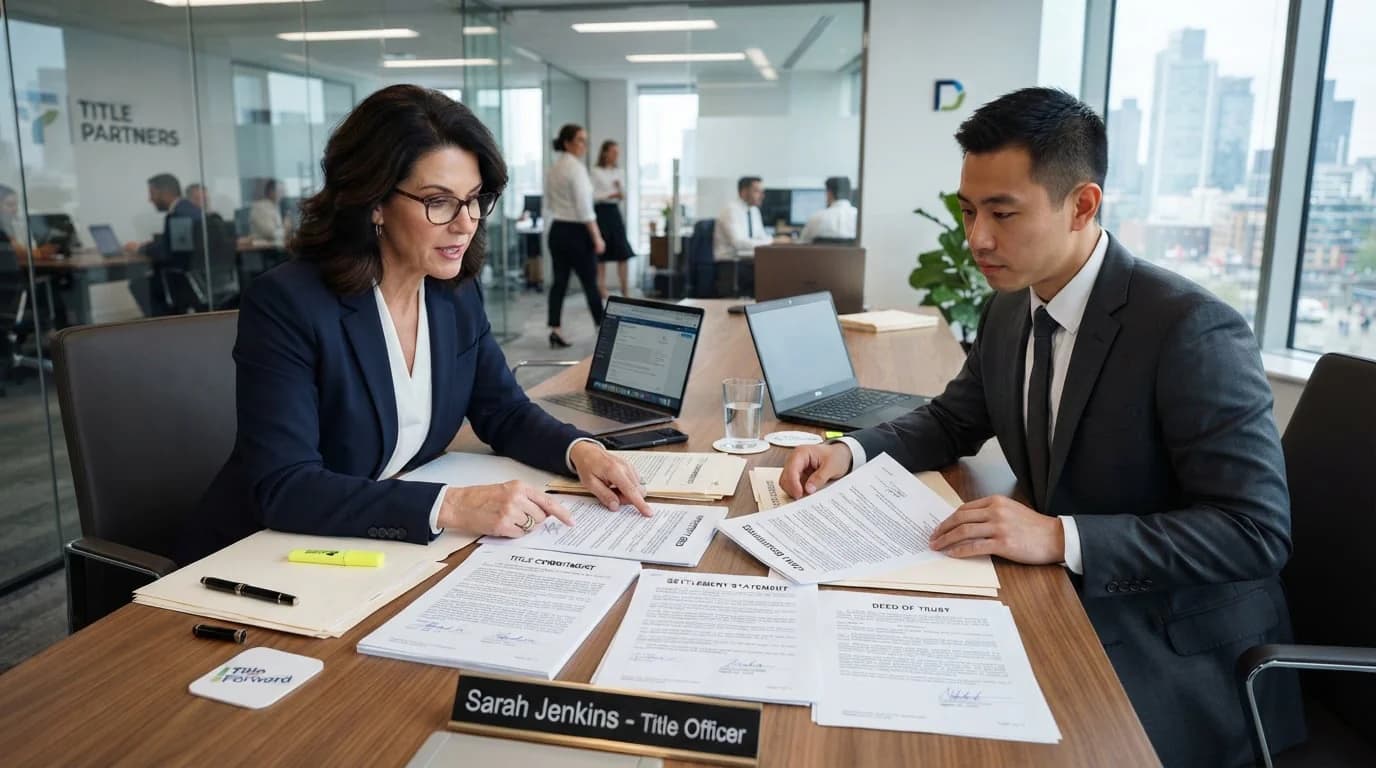
Lien position is determined by the record, not by the seller's description. Recording order, intervening liens, re-recorded instruments or missing subordinations can change the position an investor believes it is buying.
Scalance verifies lien position against the available record and reviews the chain of title and assignment history. Where an issue is identified, the finding can be surfaced for pricing, underwriting or legal review.
The buyer is not simply researching a property; the buyer is evaluating the enforceability and economics of a financial asset.
Make Sure the Collateral File Matches the Asset
The public record is only one part of a note review. The collateral file and loan data also need to make sense together.
Scalance supports original-document and custody-status verification, note endorsement and allonge review, loan-data-to-document reconciliation, modification and extension document review, collateral-file completeness review and collateral exception reporting.
Where the file does not match the expected position, the investment team has a documented issue to investigate instead of discovering the gap after acquisition.

Screen the Pool Before You Spend on Every Note
For a portfolio acquisition, the first question is often not whether every note needs the same level of diligence. It is which assets deserve deeper review.
Scalance supports tape scrubs and portfolio screening so exceptions can be classified across the pool before asset-by-asset diligence is commissioned. That allows the investment team to identify assets that may need pricing changes, additional research or exclusion from the acquisition.
Portfolio screening supports pricing and exclusion decisions before deeper diligence is commissioned.

Start Small. Prove It.
01
Confirm the scope
Portfolio scope, states, strategies and SLAs are confirmed. Scalance finalizes this scope in one business day.
02
Run the pilot
A 10-note pilot with no setup fees and no long-term commitment lets you evaluate real note files before expanding the relationship.
03
Move to daily flow
Once the workflow is approved, the engagement moves into daily portfolio flow with SLA-backed delivery, quality control and secure delivery.