
Automation Technologies
Automation Technologies: Less Manual Work. More Control.
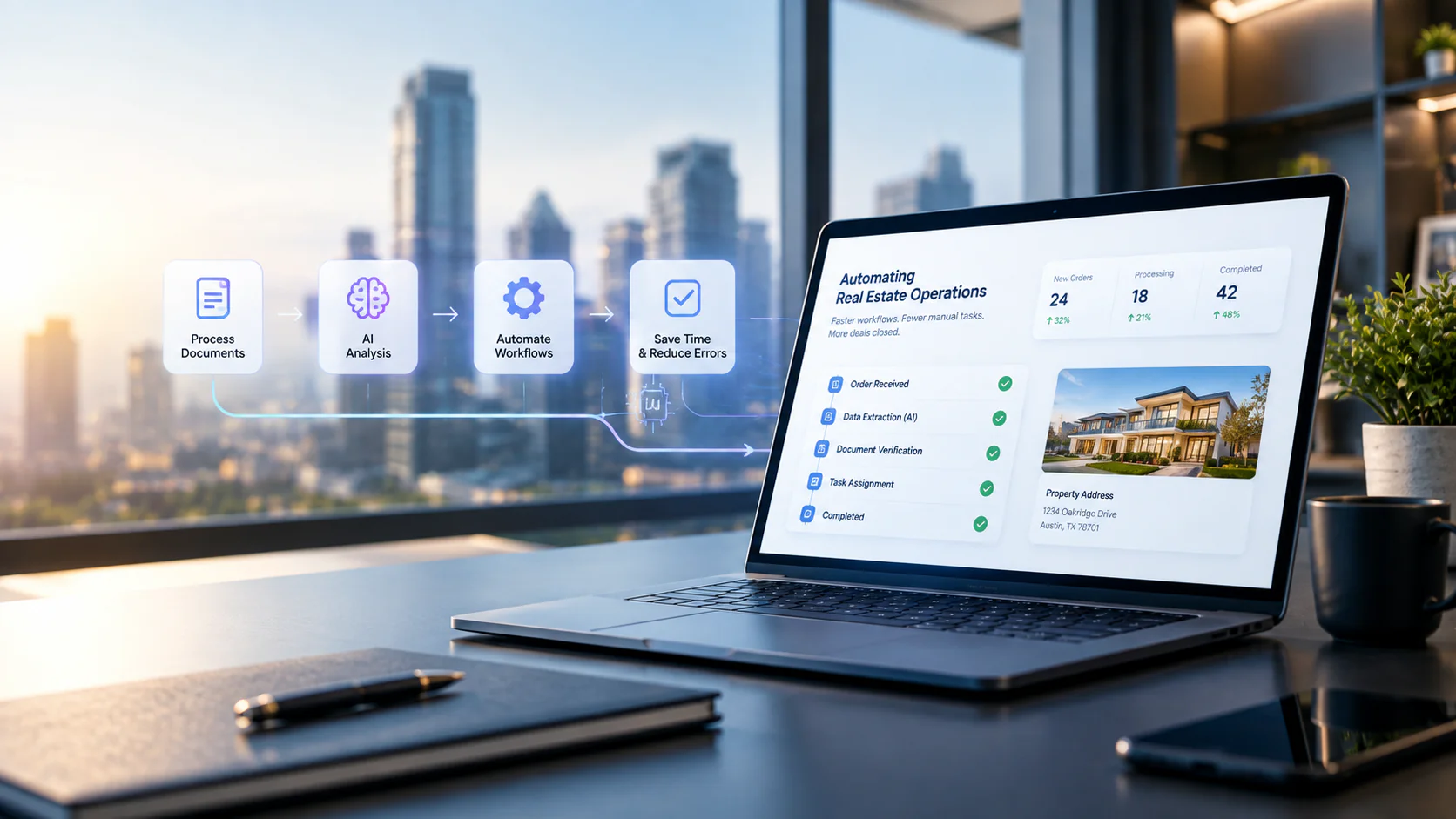
Workflow automation, document intelligence and system integration for title, settlement, escrow and recording operations.
Works With Your Existing Stack
Automation built around the systems your team already runs.
Document Intelligence
Documents read, classified and key fields extracted.
Traceable & Time-Stamped Workflows
The audit trail is produced by the workflow itself.
Automation + Human Exception Handling
Rules-driven work automated; judgment stays with people.
Automation Should Remove the Repetition — Not the Judgment
Most title and mortgage operations do not need another system sitting beside the workflow they already run. The friction usually appears between systems: information is rekeyed, documents are classified manually, status is buried in email, and people spend time routing work that follows predictable rules.
Scalance builds automation around the operation already in place: workflow automation, document intelligence and system integration that work with Encompass, Calyx, LendingPad, Byte and title platforms, without a migration project or parallel process.
The operating model is deliberate: automate high-volume, rules-driven work while keeping people involved where judgment and exception handling matter.
Core Automation Capabilities
Workflow Automation
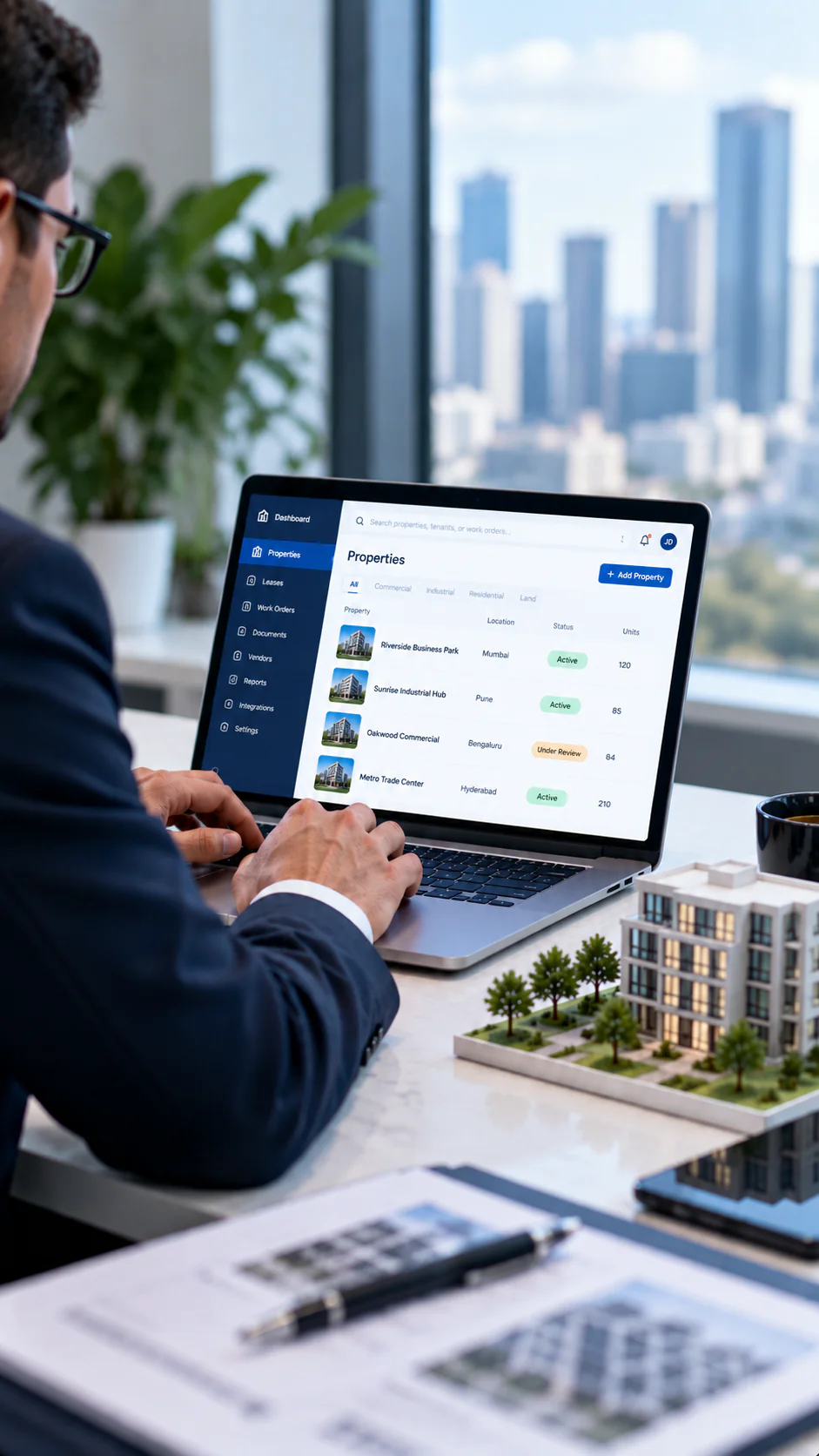
Automate repeatable routing, task assignment, data movement and package-assembly steps so teams spend less time coordinating predictable work.
Document Intelligence
Read, classify and extract key fields across diverse document sets, including scans, faxes and real-world document variations.
Data Validation & Routing
Apply rules and checks to captured information so downstream workflows can route, validate and process files without manual transcription at every stage.
System Integration
Connect automation to systems teams already operate, including Encompass, Calyx, LendingPad, Byte and title platforms.
Traceability & Time-Stamped Workflow
Keep file activity traceable through each stage so the audit trail is generated by the workflow rather than reconstructed afterward.
Human Exception Handling
Use automation for repetitive, rules-driven work while routing judgment-heavy exceptions to the people responsible for operational decisions.
Work Inside the Stack You Already Run
Scalance automation is designed to work against the existing operational stack rather than requiring your team to replace its LOS or title platform.
Works with
- Encompass
- Calyx
- LendingPad
- Byte
- Existing title platforms

Automation for Title & Settlement
Automation for Title & Settlement applies this layer to the title workflow itself: a unified workflow from order to final policy, smart document intelligence, regulatory assurance and direct integration with ResWare and SoftPro.
The title workflow, stage by stage
- Order Intake
- Title Search & Review
- Commitment Drafting
- Final Package QC
- Policy Creation
Built for High-Volume, Repeatable Workflows
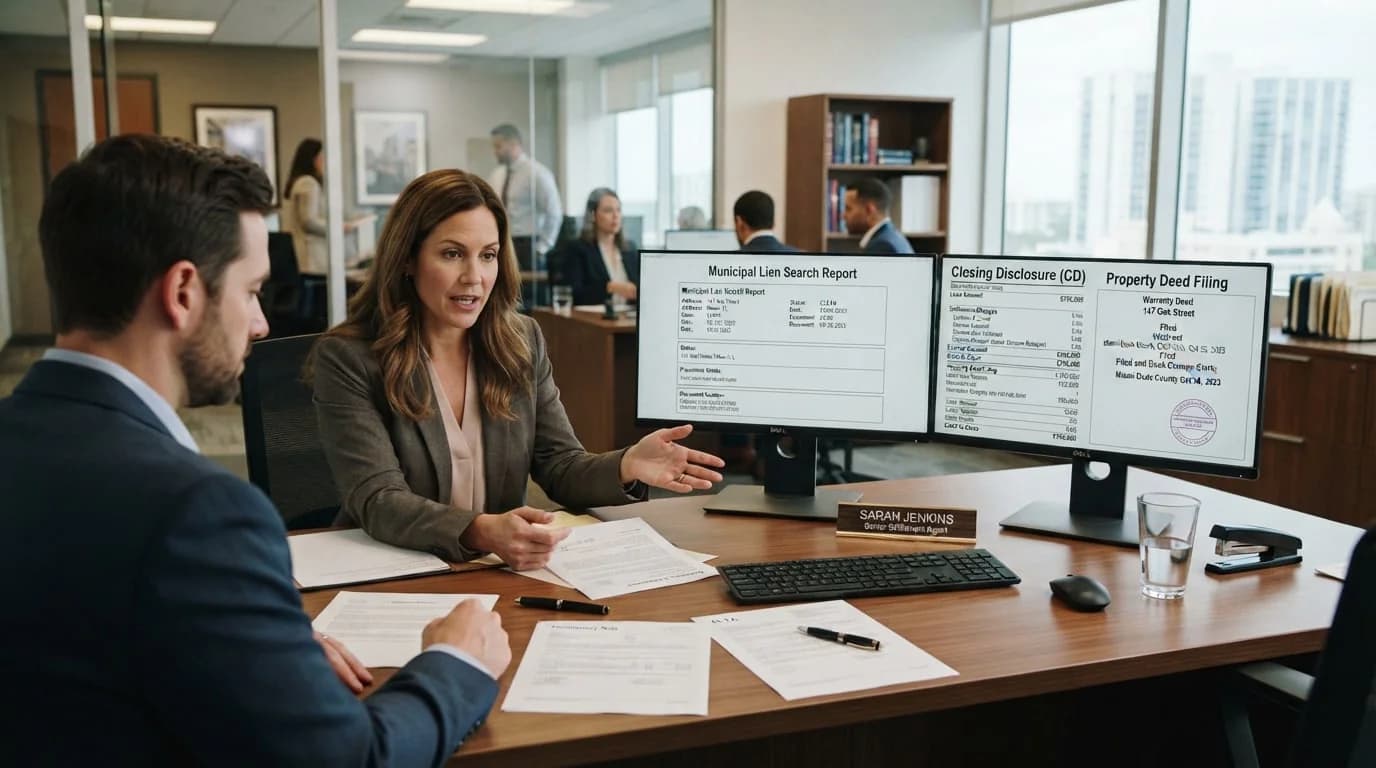
The strongest reason to automate is not “we need AI.” It is a measurable operational problem — rekeying, manual classification, fragmented status, repetitive routing or package assembly — that consumes staff capacity.
Who this is for
- Title agencies
- Lenders
- Mortgage operations teams
- Servicers
- Settlement teams
- Escrow operations
- Recording teams
- Enterprise real-estate finance organizations

From Intake to Audit Trail
Automation runs inside the existing workflow, and human review is an intentional part of exception handling.
01
Existing System
Work starts in the LOS or title platform your team already runs.
02
Intake
New orders are captured, assigned and routed.
03
Document Intelligence
Documents are read and classified, and key fields extracted.
04
Validation
Rules check the captured data and surface inconsistencies.
05
Routing / Assembly
Work is routed and predictable packages are assembled.
06
Human Exception Review
Exceptions go to the people responsible for the decision.
07
Final Output
The completed work returns to the existing workflow.
08
Audit Trail
Each stage is time-stamped, so the record builds as the work happens.
Start With One Workflow. Expand by Stage.
01
Map the Repetitive Work
Identify high-volume, rules-driven steps where staff are primarily transcribing, classifying, routing or assembling.
02
Choose the First Automation Path
Start with a contained workflow rather than attempting to automate the entire operation at once.
03
Connect to the Existing Stack
Configure the workflow around systems already used by the team.
04
Validate the Exceptions
Test cases that should remain with human operators and confirm routing and audit trails.
05
Expand by Stage
Adopt further automation paths a stage at a time once the first is operating as expected.
Boundary & Responsibility
Automation does not replace title examiners, underwriters, counsel or other decision-makers. It surfaces information, applies defined rules, routes work and creates traceability.
Human teams remain responsible for decisions requiring professional judgment or transaction-specific authority.