

Construction Draw Support
Construction Draw Support: Verify the File Before the Next Draw
A construction draw is not just another funding request. Between one draw and the next, the property record can change, mechanics' liens can be recorded, lien waivers can remain outstanding, title requirements can move, and documents can fall behind the funding schedule.
Scalance supports private and hard money lenders with the title and document work that sits between construction draws. The goal is straightforward: give the lending team a current, organized file to review before the next draw decision is made.
The lender keeps the funding decision. Scalance handles the supporting title, lien and document workflow so the draw file is easier to review and follow up.
Before the Next Draw, Check What Changed
A construction project can look unchanged from the lender's last review while the public record tells a different story. A new mechanics' lien may have been recorded. A title condition may need an update. A required lien waiver may still be missing. A title endorsement request may be waiting on documentation.
That is why draw support should not be treated as simple document collection. The file needs to be checked against the current record and the lender's draw requirements before another funding decision is made.
Scalance provides the operational support between draws while the lender retains control over underwriting, approval and funding.

Construction Draw Services Scalance Provides
Title Updates Before Subsequent Draws
Scalance coordinates title updates before subsequent construction draws so the lender is not relying on an outdated title picture. The work focuses on identifying changes in the public record and bringing the relevant information back into the draw file.
This can include coordinating the title update request, tracking the response, reviewing returned information for relevant changes and documenting outstanding items that require attention before the draw moves forward.
Recorded Mechanics' Lien Searches
Construction projects create an ongoing lien environment. Contractors, subcontractors and suppliers can create recorded claims that matter to the lender's collateral file. Scalance supports recorded mechanics' lien searches as part of the construction draw workflow.
The purpose is to identify recorded lien information and provide the relevant findings and source documents for the lender's review. Scalance does not make the lender's funding decision.
Lien-Waiver Collection and Checklist Review
Lien waivers can come from several parties and may arrive at different stages of a construction project. Missing or inconsistent waiver documentation can create additional follow-up before a draw is ready for review.
Scalance supports lien-waiver collection and checklist review, helping the lending team see what has been received, what remains outstanding and what requires follow-up. The lender's own draw policy and approval requirements remain controlling.
Title Endorsement Coordination
Where a construction loan requires a title endorsement or an update to title coverage, Scalance can coordinate the request and track the supporting documentation. This keeps the title side of the draw process connected to the lender's broader document workflow.
Outstanding Draw-Document Tracking
A construction draw may involve invoices, inspections, waivers, title documents and lender-specific requirements. When those items are handled through scattered email threads and separate files, it becomes harder to see what is actually missing.
Scalance maintains an outstanding-document workflow so the lending team has a clear view of open items, follow-up status and documents still required for the draw file. This is operational support, not a replacement for the lender's credit, inspection or funding approval.
A Construction Draw Workflow Built Around Your Lending Process
The workflow starts with the lender's draw requirements, collateral type, states and documentation expectations. Scalance then works the title and document queue around those requirements, tracks open items and returns the relevant findings and supporting documents for lender review.
For recurring draws, the same workflow can be applied consistently so the lending team does not have to rebuild the process for every request. The scope can be defined around states, collateral types, document requirements and turnaround expectations.

Keep the Lender in Control
Scalance provides the operational work behind the construction draw process. It does not replace the lender's underwriting, property inspection, credit approval or funding authority.
The lending team receives the current record, supporting documentation and outstanding items, then makes its own decision under its credit policy and applicable requirements.
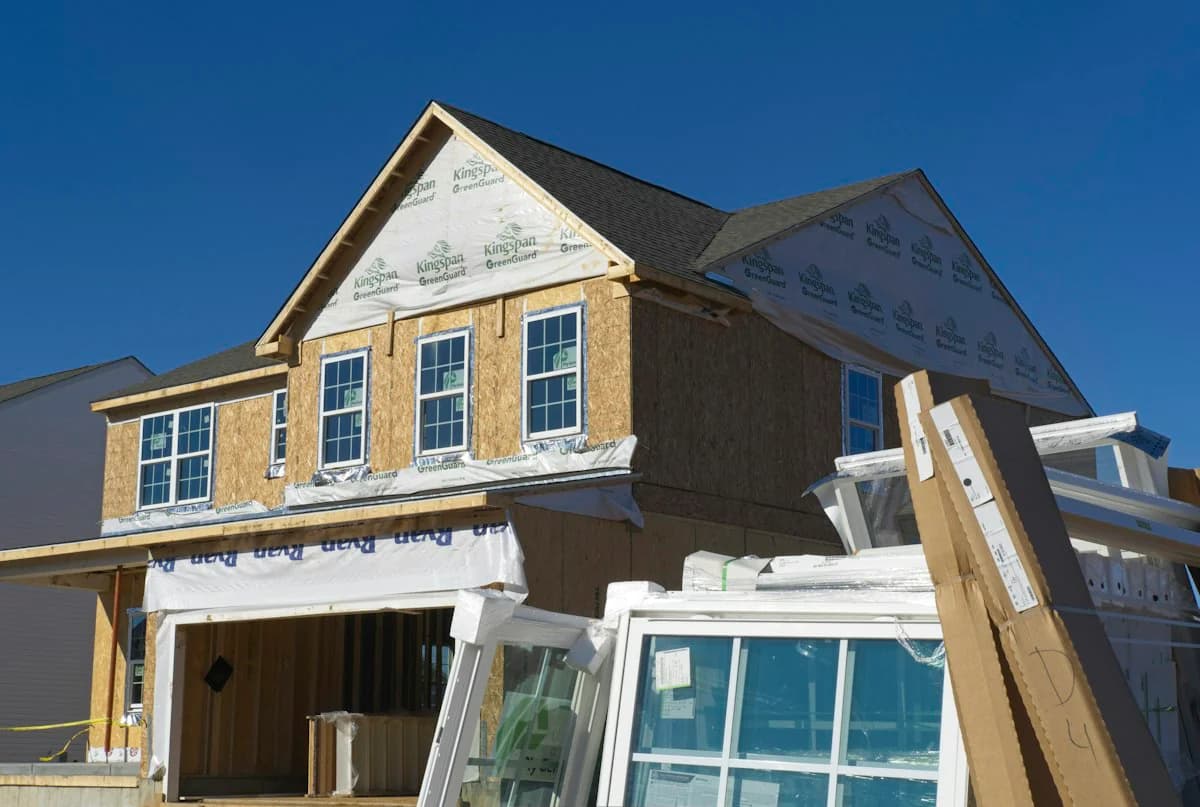
Start With a Defined Construction Draw Workflow
Scalance's Private Money Lending service is structured around defined workflows, including a kickoff and scope confirmation, a 10-file pilot and a live funding flow with SLA-backed delivery, quality control and secure delivery.
01
Kickoff & Scope Confirmation
For a construction lender, the practical starting point is to define what must be checked before each draw, which documents must be present, which title updates are required and how exceptions should be tracked.
02
Pilot Run — 10 Files
Start with a 10-file pilot.
03
Live Funding Flow
A live funding flow with SLA-backed delivery, quality control and secure delivery.