

Default & Foreclosure Searches
Default & Foreclosure Searches: Know What Is Recorded Before the File Moves.
Current ownership, liens, foreclosure records and related public-record research for files moving through default and foreclosure.
Scalance supports lenders, servicers and investors with jurisdiction-specific searches that establish what is recorded now, so the next stage of the file is based on current information rather than an outdated title picture.
50-State Coverage
Searches performed for the jurisdiction of record.
Current Record Research
What is recorded now, not what was recorded at origination.
Source-Document Support
Relevant instruments retrieved behind the findings.
Built for Default Workflows
For files moving through default and foreclosure.
A Default File Needs a Current Record.
A title search completed at origination does not necessarily tell you what is recorded when a loan reaches default.
Ownership may have changed. A mortgage may have been assigned. A lien may have been released, added or recorded later. Bankruptcy or litigation may have entered the picture. A foreclosure file needs the record brought forward before the next step begins.
Scalance performs the public-record research and document retrieval needed to establish the current position of the property and related interests.
The goal is simple: give the lender, servicer, investor or counsel a current research package they can work from.
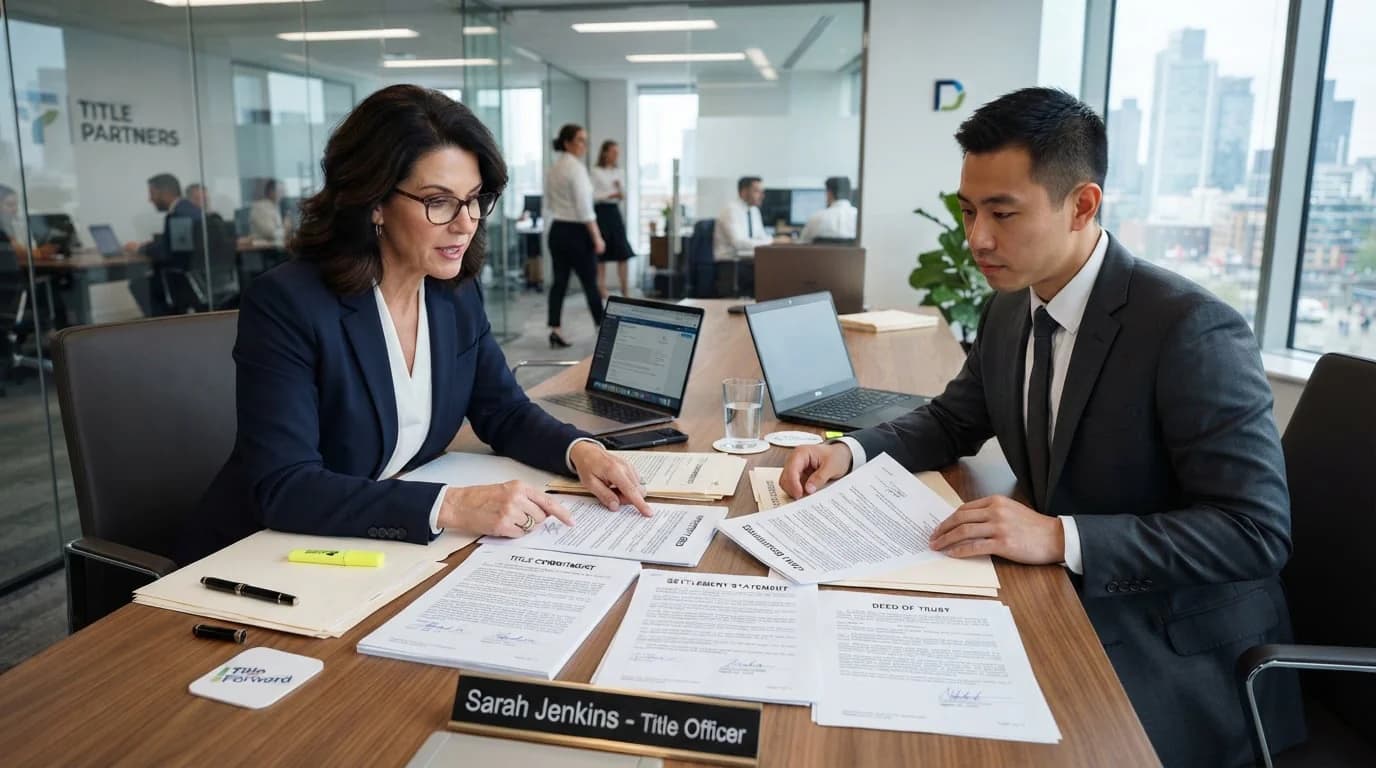
What a Default & Foreclosure Search Covers
Foreclosure & TSG Searches
Foreclosure work starts with knowing what is recorded against the property and who may have an interest that needs to be addressed.
Scalance supports TSG and foreclosure searches for the applicable jurisdiction, gathering the public-record information needed to understand the current ownership, lien and foreclosure picture.
The search is performed for the jurisdiction involved rather than treated as a one-size-fits-all national process.
Deliverable focus: organized search findings with the relevant supporting records available for review.
Updated Ownership & Lien Searches
The first question is who owns the property now. The next is what interests are recorded against it.
Scalance researches current ownership and recorded liens to help establish the property’s present title picture. The work can identify mortgages, judgments, releases, assignments and other recorded interests that may need to be reviewed as the file progresses.
Where a record requires further investigation, the relevant instrument can be retrieved so the finding is supported by the underlying document.
Identify What May Remain After Foreclosure
Foreclosure does not mean every interest disappears. Priority and jurisdiction matter.
Scalance researches recorded interests and organizes the information needed to identify potential surviving-lien issues before the file moves deeper into the foreclosure process.
The research can include senior and junior interests, taxes and assessments, federal tax liens, HOA-related charges and other recorded matters that may require attention.
Scalance provides the research and source documents. The client’s attorney makes the legal determination regarding priority, enforceability and the effect of a foreclosure sale.
Look Beyond the Property Record
A foreclosure file can be affected by events outside the basic property record.
Scalance supports bankruptcy and litigation document retrieval as part of the default research workflow. The purpose is to surface relevant records that may need to be reviewed before the file moves forward.
This work is especially useful when the current title picture alone does not explain the status of the borrower, lien or foreclosure process.
Deliverable focus: retrieved source documents organized with the search findings so the file can be reviewed without rebuilding the research from multiple sources.
Research That Can Be Reviewed, Not Just a Search Result.
The value of a foreclosure search is not simply a list of names or recorded instruments. The file needs enough supporting information for the next person to understand what was found and where it came from.
Depending on the assignment, the research package can include
- Current ownership information
- Recorded lien information
- Foreclosure/TSG findings
- Relevant supporting instruments
- Bankruptcy or litigation records
- Identified items requiring additional review

From Search Request to Review-Ready File
01
Scope
Confirm property, jurisdiction, search type and client-specific requirements.
02
Search
Research current ownership, liens, foreclosure records and applicable public records.
03
Retrieve
Pull the source documents behind relevant findings and exceptions.
04
Review
Organize findings so the client can identify items that require attention.
05
Deliver
Return the completed research package through the agreed secure delivery workflow.
One Search Process Does Not Fit Every State.
Foreclosure is governed by state-specific procedures and recording practices. The same search terminology can also mean different things across jurisdictions.
Scalance approaches the research according to the jurisdiction of record and the requirements of the assignment. That matters when the file depends on accurate ownership, lien and foreclosure information rather than a generic nationwide report.

Built for Teams Managing Default Volume
Mortgage Servicers
For default queues that need consistent current-record research before referral.
Lenders
For files where ownership, liens or foreclosure status need to be refreshed before the next decision.
Investors
For distressed loans and assets where current public-record information is part of the diligence process.
Foreclosure Counsel & Legal Teams
For attorney-directed workflows where organized research and source documents are needed before legal action.
Research First. Legal Decisions Stay With Counsel.
Scalance performs research, document retrieval and operational coordination. The search identifies what is recorded and surfaces documents that may require attention.
Scalance does not replace foreclosure counsel or provide legal conclusions about priority, enforceability, redemption rights or the legal effect of a foreclosure.
Where legal action or legal strategy is required, the client’s attorney remains responsible for those decisions and filings.